Contractor Insurance Coverage
From the general liability a GC demands before you set foot on site to the bonds your Colorado city requires to pull a permit — here's every policy in a contractor program, what it does, and what it runs.




Which Coverage Do You Actually Need?
A contractor insurance program isn't one policy — it's a stack, and the right stack depends on your trade, your size, and who you work for. Nearly every Colorado contractor starts with general liability — it's the coverage a GC, a city, or a client asks for first — and the moment you hire even one employee, workers' compensation becomes legally mandatory statewide.
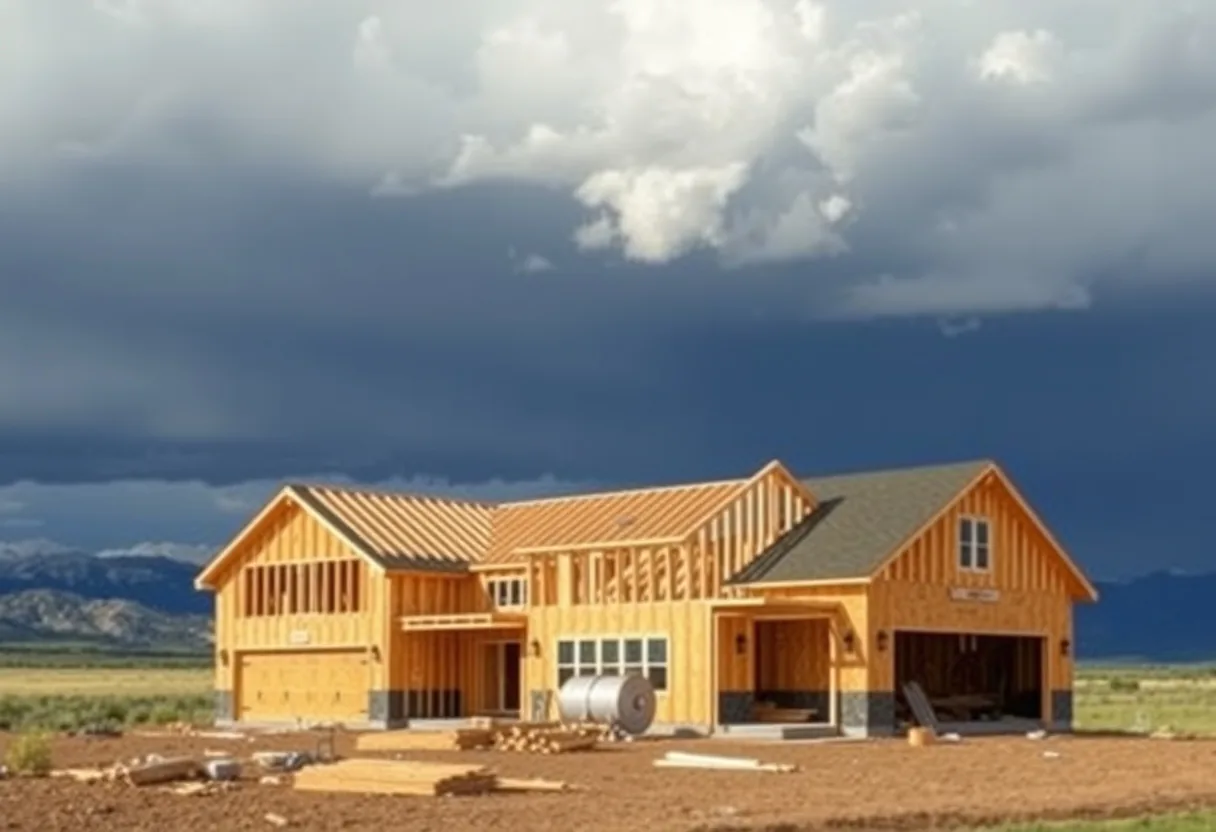
From there it's about how you operate. Run trucks and you need commercial auto; haul valuable gear and tools & equipment covers it on the move. Build or renovate structures and builders risk protects the project itself against hail, fire and theft mid-build. Offer design or spec work and contractors E&O fills the professional-liability gap general liability leaves open.
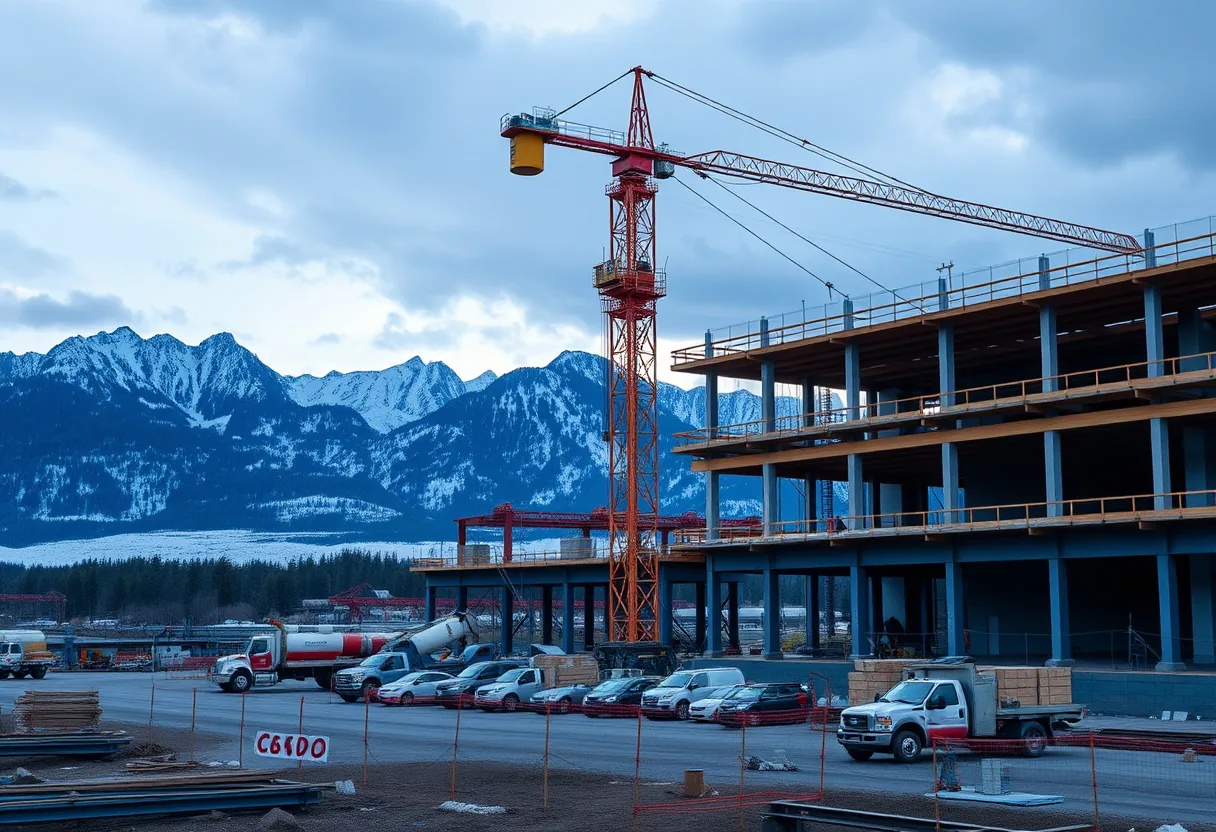
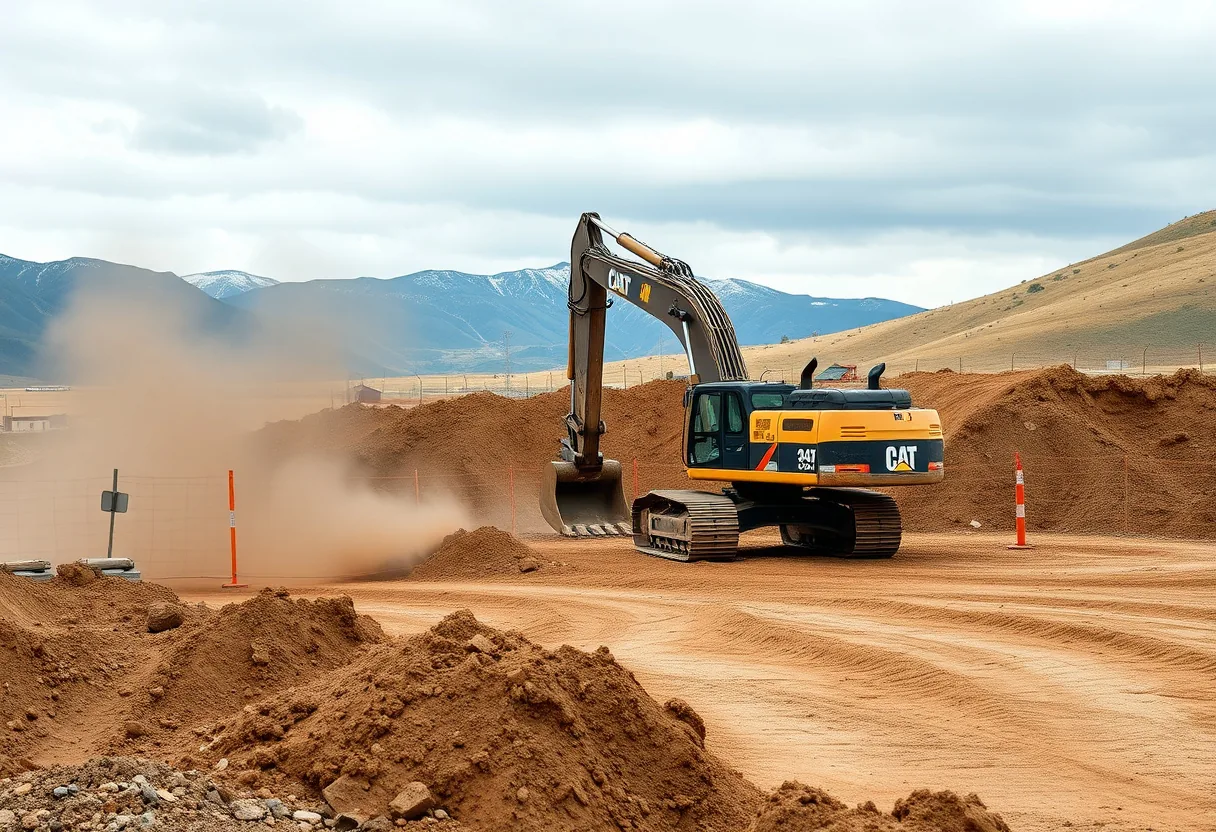
Bigger jobs raise the stakes: umbrella & excess stacks the $2M–$5M limits owners demand, surety bonds satisfy permit and public-project requirements, and pollution liability covers the dust, spills and runoff that standard policies exclude. Brand new? Our startup program bundles the first stack so you can land job one.
| Who You Are | Usually Required | Strongly Recommended |
|---|---|---|
| Solo / handyman | General liability | Tools & equipment, commercial auto |
| Trade with 1+ employees | General liability + workers' comp | Commercial auto, tools, umbrella |
| General contractor | GL + workers' comp + umbrella | Builders risk, E&O, bonds |
| Excavation / demo / spray foam | GL + workers' comp | Pollution liability, equipment |
| Public / municipal work | GL + comp + performance/payment bonds | Umbrella to contract limits |
Every combination above quotes through the same four-step form — tell us your trade and size and we price the stack that matches, nothing more.
What Contractor Coverage Costs in Colorado
The honest answer to what contractor insurance costs is a range, because the market prices your specific operation — your trade, payroll, revenue, claims history and limits. A solo handyman might carry general liability alone for close to $50–$100 a month, while a roofing or framing company with a crew, trucks and a full stack can run many times that once workers' comp payroll is added.
Inside the stack, general liability averages around $100 a month for many trades, workers' comp is payroll-based and varies widely by class code, and builders risk is typically a one-time 1–4% of the project's completed value. Umbrella limits are cheap relative to the protection — often a few hundred dollars per million. For the full breakdown with sample scenarios, read our 2026 cost & coverage guide.
One number to burn in: quotes on the same business can vary dramatically depending on class codes, loss history and which carriers an agency can access. That last one is the part you control today — quote with a desk that specializes in Colorado contractors.
| Coverage | Typical Cost (estimate) |
|---|---|
| General liability | ~$50–$130 / mo |
| Workers' comp | Payroll-based; varies by trade |
| Commercial auto | ~$140–$300 / mo per vehicle |
| Tools & equipment | ~$15–$60 / mo |
| Builders risk | ~1–4% of project value |
| Umbrella / excess | ~$400–$1,500 per $1M |
| License / permit bond | ~1–3% of bond amount |
Ranges are illustrative estimates for Colorado trades; your trade, size and record set the exact number. Five minutes on the quote form gets you yours.

Not Sure What Your Business Needs?
Tell us your trade, size and city — we'll build the exact policy stack your Colorado jobs and jurisdiction require, nothing more.